
Let’s talk about something that won’t show up on your smartwatch, won’t break your bank account, and doesn’t require spandex, green juice, or an app subscription: gratitude. That’s right—plain ol’ thankfulness. Turns out, being grateful might just be the ultimate life hack. It’s free, it’s backed by science, and it might be the healthiest thing you’re not doing on purpose.
Gratitude: The Original Wellness Trend

Long before wellness influencers were bathing in oat milk and meditating on mountaintops, your grandmother was probably telling you to count your blessings. As usual, she was onto something. Research has shown that people who regularly practice gratitude experience better sleep, lower stress, improved relationships, and even stronger immune systems.
Yes, apparently, writing down three things you’re thankful for each day is more powerful than your morning multivitamin—and with zero aftertaste.
The Science-y Bit (We’ll Keep It Fun, Promise)
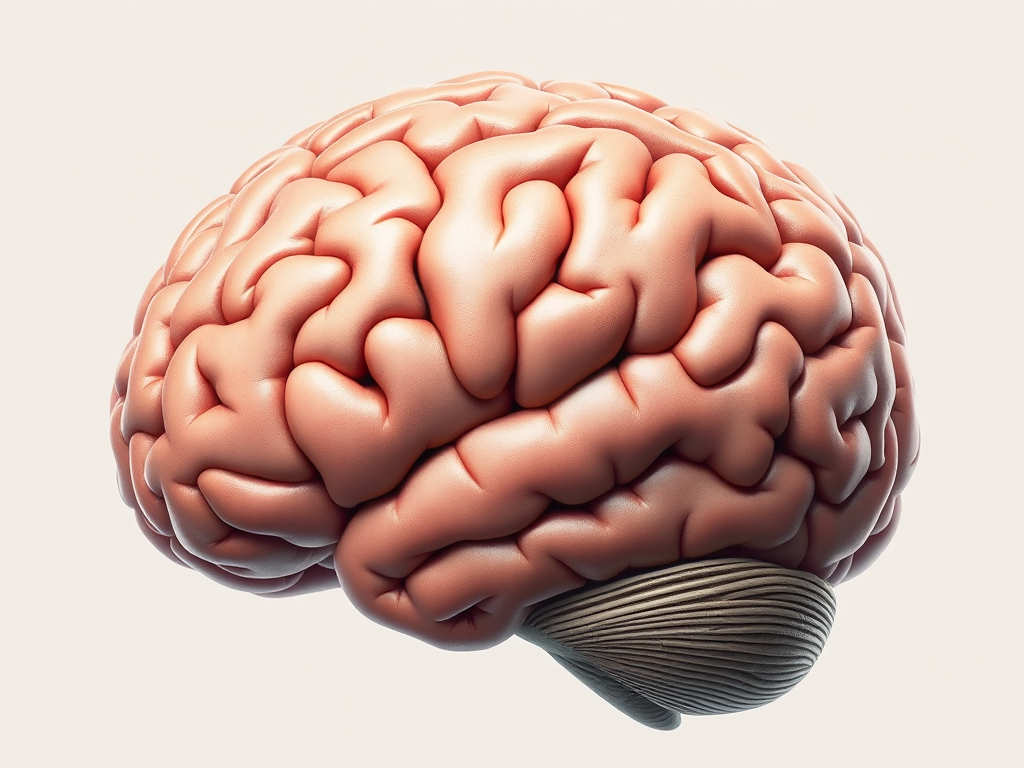
When you focus on what you’re grateful for, your brain actually changes. You produce more dopamine and serotonin—those lovely, fuzzy, feel-good chemicals that help regulate mood and boost happiness. Practicing gratitude consistently can even rewire your brain to be more positive over time. It’s like weightlifting, but for your prefrontal cortex.
And unlike lifting weights, there’s no risk of pulling a gratitude muscle. You’ll never hear someone say, “Sorry, can’t come to brunch—I over-appreciated life yesterday.”
It’s Not About Ignoring Reality—It’s About Framing It

Let’s be real: life can be a hot mess. Bills pile up, your Wi-Fi dies mid-Zoom, and sometimes your cat throws up on your freshly folded laundry. Gratitude doesn’t mean denying the chaos—it means acknowledging that amid the chaos, there are still things worth smiling about. A warm mug of coffee, a friend’s text that made you laugh-snort, your favorite song playing at just the right moment—those count.
Gratitude helps you zoom out. It’s like switching from a magnifying glass to a wide-angle lens. Suddenly, the day doesn’t look quite so bleak when you spot a few bright spots on the horizon.
Practical Gratitude: No Crystals Required
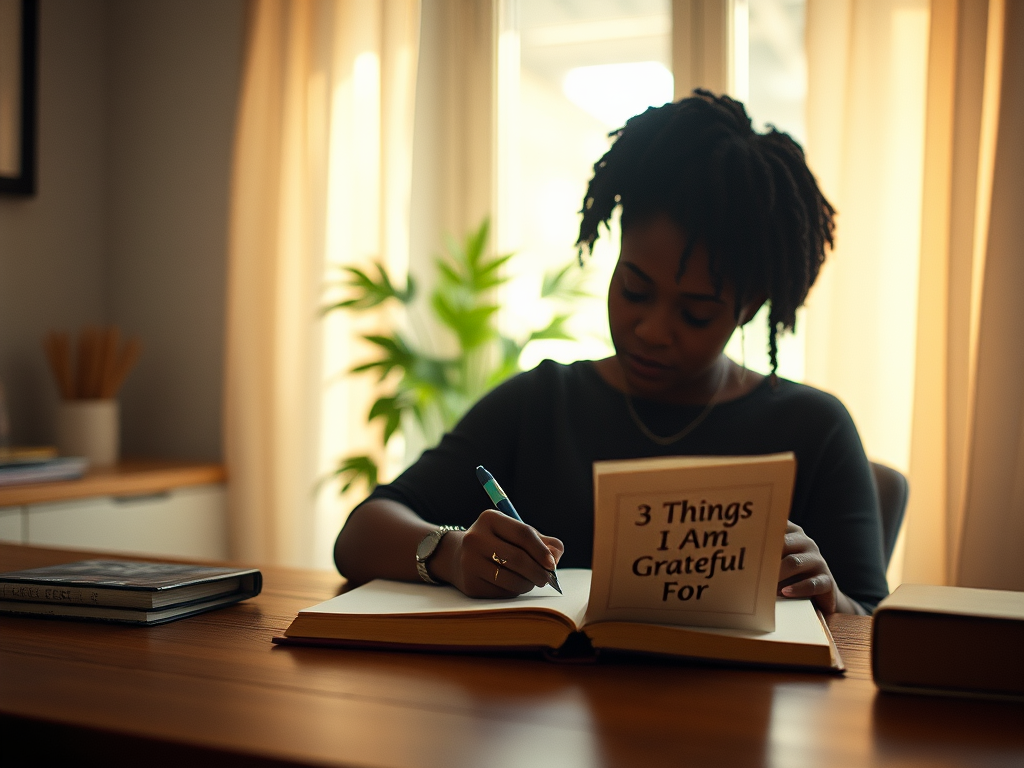
The best part? You don’t have to become a gratitude guru or start writing thank-you notes to your barista (though they’d probably appreciate it). Try one of these easy rituals:
- The 3 Good Things Rule: Every evening, jot down three things you’re grateful for. Big, small, silly, serious—anything goes.
- Gratitude Walks: Go for a walk and mentally note things you’re thankful for as you stroll—like sunshine, birdsong, or a particularly photogenic tree.
- Compliment Bombs: Send a quick text or email to someone you appreciate. Boom: their day is better, and yours is too.
In Conclusion: Count Blessings, Not Calories
Choosing to be grateful doesn’t mean your life is perfect. It means you’re wise enough to notice the good parts. And that wisdom? It pays dividends in health, happiness, and resilience.
So go ahead. Count your blessings like they’re sheep and you’re trying to fall asleep. Your heart, your brain, and even your grumpy Monday morning self will thank you.
And if all else fails, remember: you’ve made it to the end of this blog post, which means you’ve already got curiosity, literacy, and Internet access. That’s three blessings right there. Look at you—practically a gratitude guru already.
Call to Action:
Ready to start reaping the real-life health perks of a grateful mindset? Grab a notebook, open your notes app, or just take a deep breath and look around—what’s one thing you’re grateful for right now?
Then try it again tomorrow.
And the next day.
Tag a friend who could use a gratitude boost, share this post, or better yet—send them a compliment bomb. Because the more we practice gratitude, the more contagious it becomes.
Your brain, your body, and your barista will thank you. 💛
 ehbienllc.com
Leave a comment