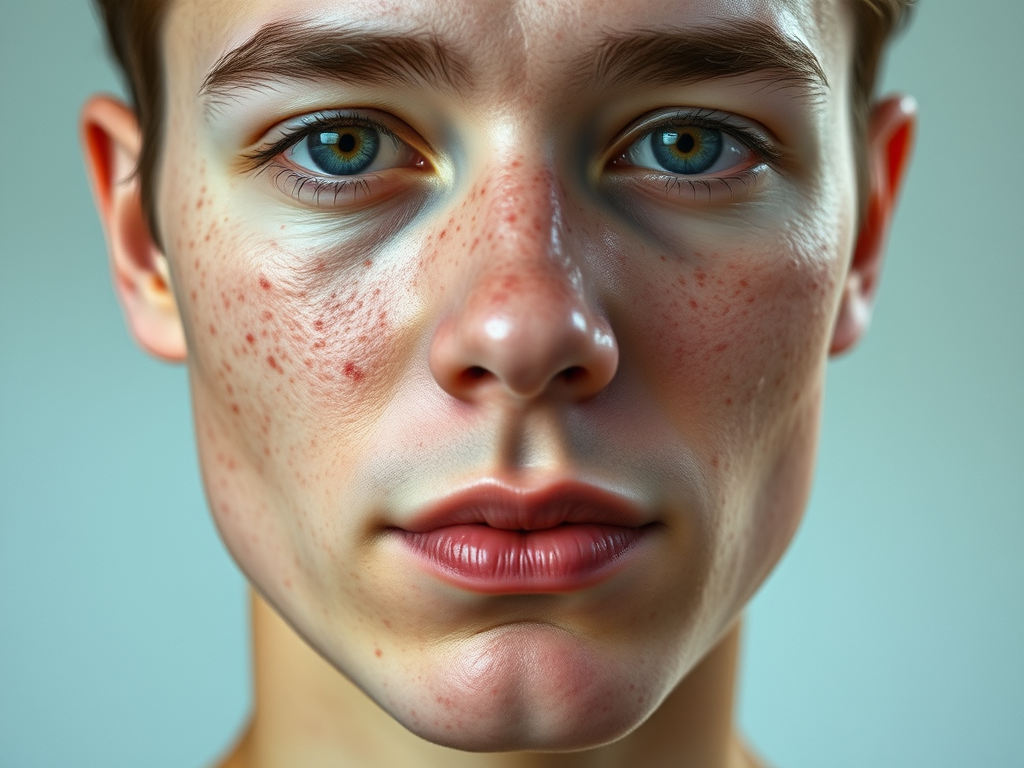
Ever notice how your skin has moods? One week it’s clear and glowing, the next it’s dry, oily, breaking out, or feeling off. Spoiler: it’s not just your skincare — it’s your hormones, and everyone has them.
Yep. Whether you’re male, or female — hormones influence your skin more than you might think.
Let’s ride the rollercoaster together.
🎭 The Main Cast of Hormones and Their Skin Drama
💧 Estrogen – The Glow Giver
Present in all bodies (in different levels), estrogen is a major player in hydration, elasticity, and healing.
✅ Boosts collagen (hello, bounce)
✅ Improves hydration
✅ Speeds up repair
Low estrogen? You might notice dryness, dullness, or thinner-feeling skin. This often happens during aging, stress, or with certain health conditions or treatments.
🔄 Progesterone – The Puff Maker
Mostly associated with the menstrual cycle, but present in everyone, progesterone can affect skin oil and puffiness.
🌀 Increases oil production
🌀 May cause swelling or clogged pores
🌀 Often connected to breakouts or skin sensitivity
💥 Testosterone – The Oil Boss
We all have testosterone — just in different amounts. And it loves to stir up sebum (skin oil).
🔥 Stimulates oil glands
🔥 Can lead to acne (especially jawline, back, chest)
🔥 Impacts skin thickness and sometimes facial/body hair
High testosterone = shiny skin, clogged pores, or cystic acne. It’s not just a “teen boy” thing — it can affect people of all ages and genders.
🍩 Insulin – The Sugar Whisperer
Not a sex hormone, but it deserves a spot on the list. Insulin reacts to sugar, and it can trigger hormonal breakouts.
⚠️ Spikes can increase inflammation
⚠️ May boost testosterone levels
⚠️ Often tied to diet, stress, or sleep
Eating processed sugar? It might just show up on your face before it hits your waistline.
🧬 How Hormones Shift Through Life (No Matter Who You Are)
- Teens: Hormones are partying — oil and breakouts are common.
- 20s–30s: Life events (puberty, cycle fluctuations, testosterone changes, stress, pregnancy, or medical conditions) keep skin on its toes.
- 40s–60s+: Testosterone and estrogen often decline — which can lead to thinner, drier, or less elastic skin.
📊 What You Can Do to Support Hormonal Skin
🧴 Customize your routine — don’t fear change. Your skin evolves!
🥗 Balance your plate — whole foods, healthy fats, and low sugar help hormones stay chill.
🚶♂️ Move your body — physical activity can regulate insulin and reduce stress.
😴 Sleep & hydrate — classic advice, but always golden.
🧠 Track what’s happening — even 5 days of journaling can uncover patterns.
💬 Talk to a healthcare provider — hormones and skin are part of your overall health.
📣 Call to Action: Tune Into Your Skin’s Signals
Your skin isn’t acting up — it’s talking to you. Every flare-up, glow-up, or dry patch is a little message from your internal chemistry crew.
So, this week, challenge yourself to check in with your skin — not fight it. Start a mini skin journal and ask:
- What’s my stress like?
- What’s my sleep like?
- What’s my diet or routine doing?
- What phase am I in hormonally?
Share your insights or skin wins using #SkinOnCycle — because learning your skin’s rhythm isn’t just smart, it’s empowering.
 ehbienllc.com
Leave a comment