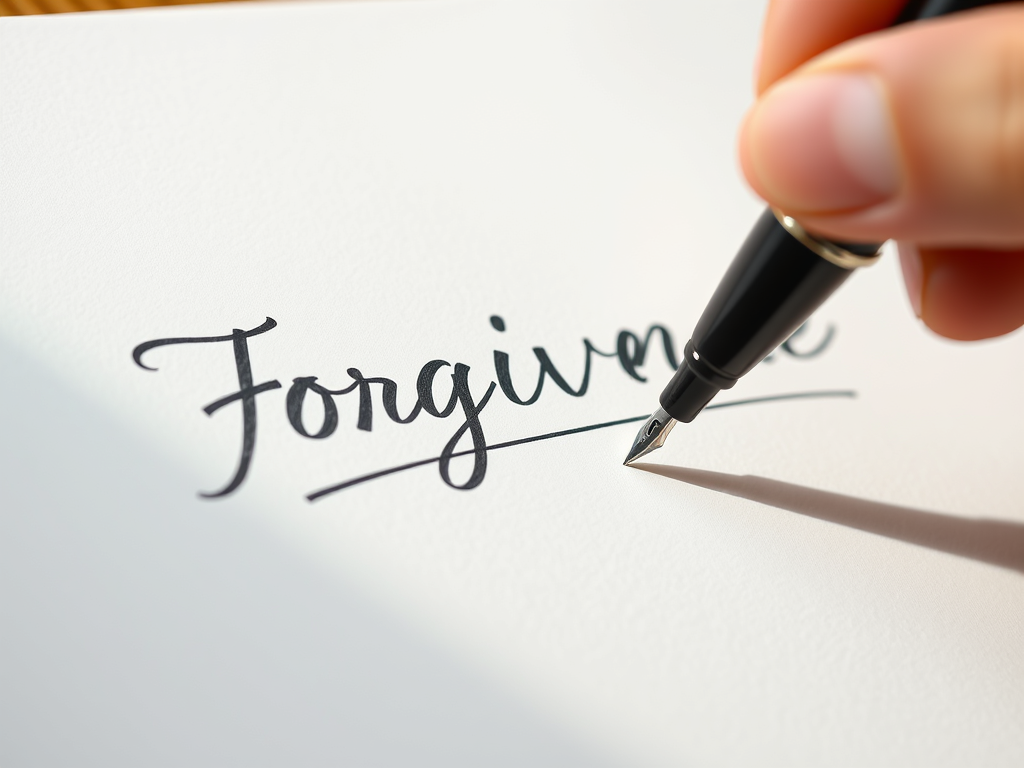
What if the secret to better health isn’t found in a pill bottle, diet plan, or gym membership—but in the quiet, often painful act of forgiveness?
We’ve all been hurt. Maybe it was a betrayal that blindsided you, a parent who let you down, or a friend whose silence was louder than any word. Holding onto that pain feels justified—like protecting a wound so it doesn’t get worse. But science and centuries of human experience tell us something surprising: letting go might be the very thing that heals us, inside and out.
Forgiveness Isn’t Just for the Other Person—It’s for You

Contrary to popular belief, forgiveness isn’t about condoning bad behavior or forgetting what happened. It’s about freeing yourself from the emotional prison that resentment builds. When we hold onto anger or grudges, our bodies pay the price.
Studies show that chronic anger and unforgiveness are linked to a slew of health issues: elevated blood pressure, weakened immune response, increased risk of heart disease, anxiety, depression, even poor sleep. It’s like carrying an invisible weight that drags our well-being down.
Dr. Frederic Luskin, director of the Stanford Forgiveness Project, explains that forgiveness reduces stress, increases optimism, and helps us reclaim control over our emotional lives. In other words, when we forgive, we stop allowing the past to dictate our present health.
The Body Remembers

When you’re triggered by a painful memory, your brain doesn’t just remember—it reacts. Cortisol surges, your heart rate spikes, muscles tense. It’s a biological echo of the trauma. Over time, these stress responses accumulate like silent injuries.
But forgiveness can disrupt that cycle. Studies using brain scans have shown that people who practice forgiveness have reduced activity in the amygdala—the brain’s fear and anger center. That means less stress, more calm, and a clearer path to mental resilience.
How to Begin Forgiving (Even If You’re Not Ready)

Forgiveness is a process, not a light switch. It doesn’t always begin with a declaration—it often starts with a whisper: I don’t want to carry this anymore.
Here are some steps to explore:
- Acknowledge the hurt – Pretending you’re not hurt only delays healing. Validate your feelings without shame.
- Be honest about the cost – What is this grudge doing to your body, your peace, your relationships?
- Separate the person from the pain – This doesn’t excuse, but it creates space for understanding.
- Choose release, not reconciliation (if needed) – Forgiveness doesn’t always mean reconnecting. It means releasing yourself from needing anything more from them.
- Practice empathy—for yourself – You’re allowed to heal at your own pace.
Your Health Deserves Forgiveness

In a world that tells us to fight, win, and never forget, forgiveness is a radical act of self-care. It’s not weakness. It’s strength—quiet, steady, life-giving strength. It doesn’t erase the past, but it rewrites the future.
So if you’re holding onto something—or someone—ask yourself: Is this worth my peace? My sleep? My health?
Letting go might be the bravest thing you ever do.
Thanks for stopping by. Feel free to make this space your virtual home. Like, share, and subscribe.
 ehbienllc.com
Leave a comment